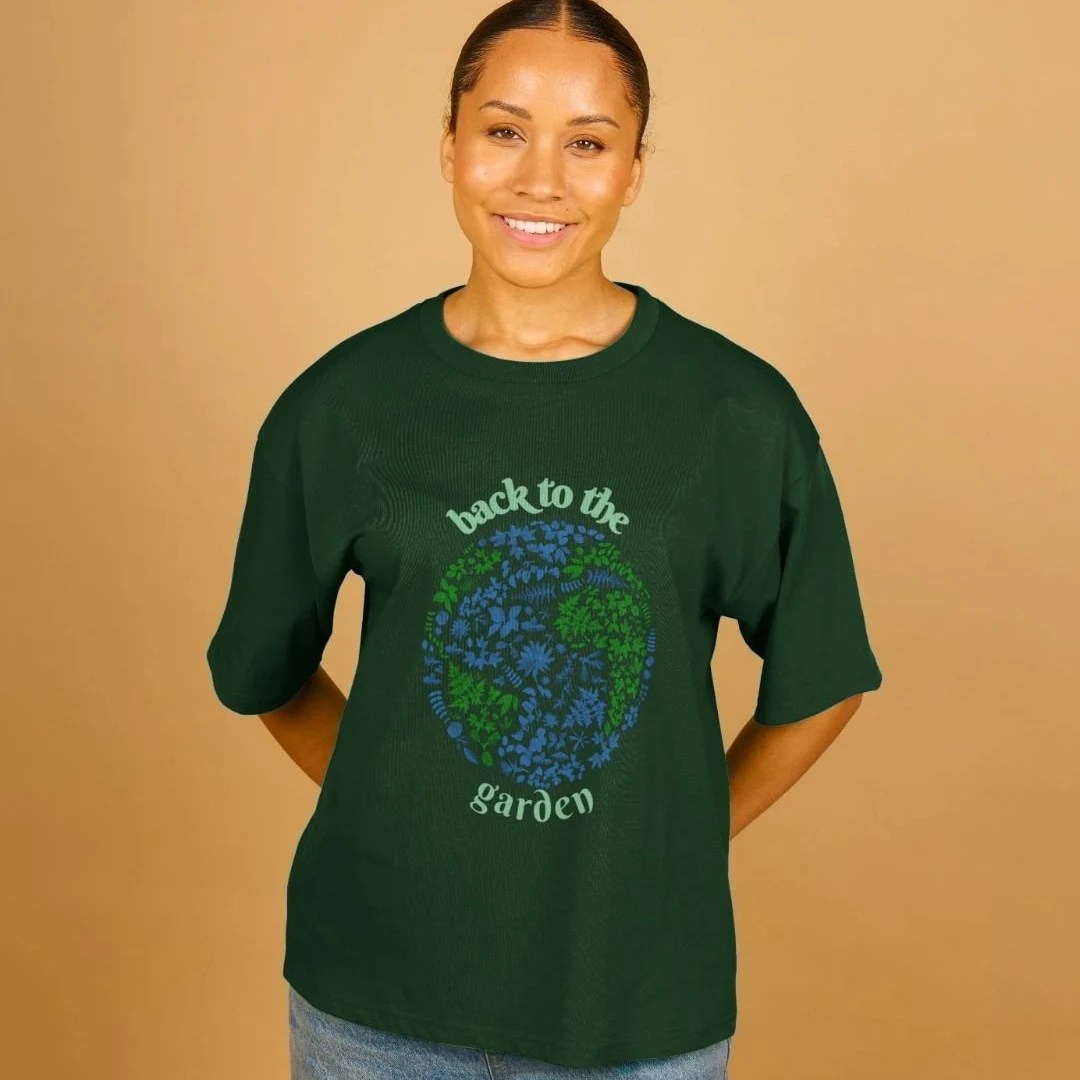
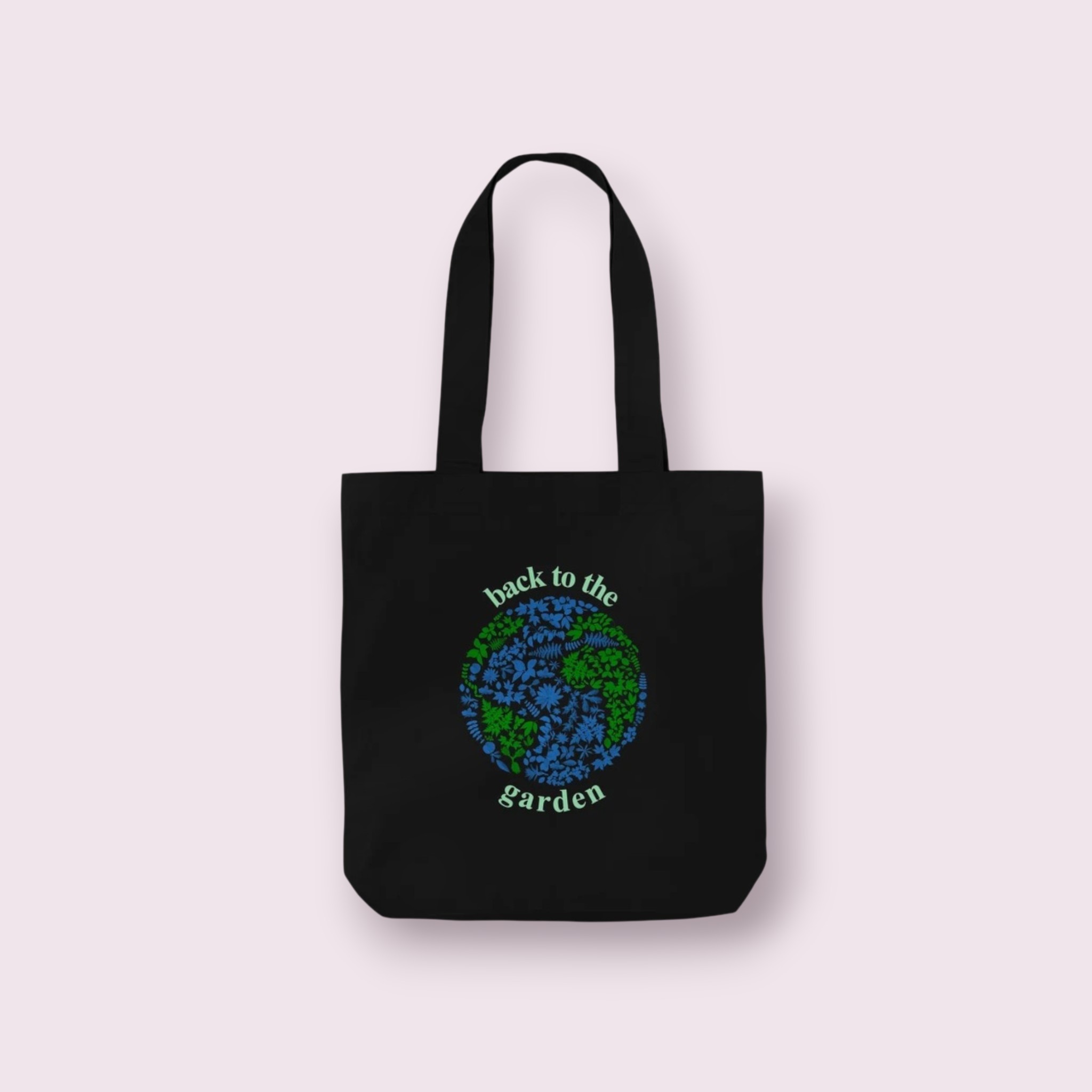
Does progress always mean more factories, more cars, more concrete, more consumption and more control over nature? People have been asking this question for decades. Some people feel that progress can make our lives less connected to the natural world and therefore separate humans from nature.
In the 1800’s people such as William Morris the designer/socialist, art critic John Ruskin and housing reformer Octavia Hill, all argued against the damage caused by industrialisation, urban growth and controlled development. Over 100 years later and people like Joni Mitchell and Rachel Carson (Silent Spring (1962) are still warning us of the dangerous of over consumption.
The counterculture of the 1960’s tried to encourage us to view nature more than somewhere you went for a nice walk, it was a place that we are part of. Songs, literature and celebrities helped to draw attention to the effects of pesticides on wildlife and ecosystems.
The question we should be asking is not
“How do we control nature?”
but
“How do we live with nature?”.
Earth is a living planet and it has some of the most wonderful and beautiful natural wonders which include (but not limited too)
Blue oceans.
Green forests.
Grasslands.
Deserts.
Rivers.
Flowers.
Trees.
Insects.
Birds.
Animals.
All that nature is tangled together and we are part of that entanglement. The air produced by living things becomes the air other living things breathe. Plants become food. Dead organisms become nutrients. Water moves through oceans, clouds, soil, plants and animals.
Today the message is still as important as ever. So, lets return to the garden and try to become more natural, connected and alive.